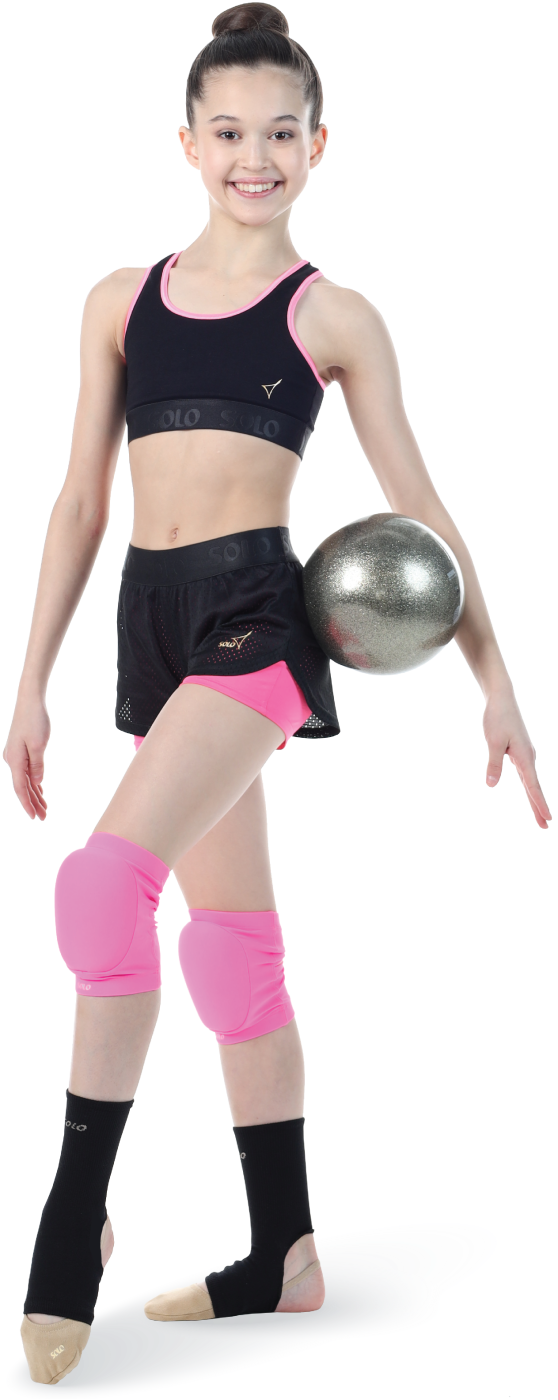
1. After each workout, wipe the ball with a dry, soft, lint-free cloth (for example, microfiber) to remove dust.
For heavy soiling: Use a slightly damp cloth moistened with water with a small amount of neutral soap or a special cleaner for rubber and plastic surfaces. Wipe the ball and immediately dry it thoroughly.
It is forbidden:
To use alcohol, acetone, solvents, abrasive cleaners, stiff brushes, or sponges. They damage the matte coating, making the surface slippery.
To submerge the ball in water or wash it under running water. Liquid can penetrate the valve inside and cause damage.
2. Store the ball in a special case at room temperature, away from direct sunlight, heating appliances (radiators, heaters) and sources of extreme cold. High and low temperatures deform the material and accelerate aging.
Storage pressure: Before long-term storage (more than a few weeks), it is recommended to slightly deflate the air (make the ball soft) to relieve tension from the seam and preserve the elasticity of the material.
Transportation: Always use a case. Do not allow the ball to be mechanically compressed by other objects in the bag, impacts against hard surfaces, or contact with sharp objects.
3. Use the ball only on clean surfaces (gymnastics mats, linoleum, parquet). Avoid contact with asphalt, concrete, gravel, sand, and other abrasive surfaces.
Moisture protection: Do not use the ball on a wet floor or outdoors during rain/snow.
4. If the ball becomes highly static and attracts dust, wipe it with an anti-static wipe or a special spray that does not contain alcohol.
Minor dirt on the sticky surface: Over time, the matte surface may become slightly sticky due to residue of resin from the mat or sweat. Gently wipe it with a soft cloth, slightly moistened with water and soap, and dry immediately.
Scuffs: Minor scuffs of the matte coating do not affect the technical characteristics, but worsen the grip. They cannot be eliminated, so prevention is important.