


What types of gymnastics are there?

Gymnastics is not just a sport, but a whole philosophy of movement that combines strengthening the body, developing agility, and aesthetics. In an era when physical activity has become a necessity for maintaining health, the question of what types of gymnastics exist has become key for millions of people. According to the World Health Organization, regular gymnastics practice reduces the risk of chronic diseases by 40% and also contributes to improved mental well-being.
Modern gymnastics is a synthesis of tradition and innovation. Whereas it used to be associated primarily with Olympic disciplines, today its scope includes street styles that combine elements of acrobatics and art. Experts emphasize that choosing the right type depends on your goals — whether it’s achieving athletic heights, correcting posture, or simply wanting to attain a harmonious lifestyle. Let’s explore how many types of gymnastics there are and how to find your ideal format.
Artistic gymnastics
Artistic gymnastics is not just an Olympic discipline, but a symbol of centuries-long evolution of physical perfection. Its origins trace back to antiquity, where exercises for strength and agility were part of warrior training. Today, it is a strictly regulated sport that combines the efficiency of movements with the aesthetics of performance.
Men’s and women’s disciplines differ: men compete on six apparatuses (rings, pommel horse, parallel bars, horizontal bar, vault, floor exercises), while women compete on four (balance beam, uneven bars, vault, floor exercises).
Each apparatus requires unique skills:
● Exercises on the rings test static strength: the iron cross, handstands, and dismounts with a hold.
● On the balance beam, only 10 cm wide, gymnasts demonstrate balance by performing jumps, turns, and acrobatic sequences.
The training system is built on gradually strengthening muscles and developing flexibility. Coaches use spotting methods, apparatuses for practicing complex elements (such as harnesses for flips), and video analysis of technique.
Rhythmic gymnastics
This discipline cultivates grace and determination: for example, champion Margarita Mamun notes that each element requires months of mastering the technique. According to statistics, 80% of participants are girls, but in recent years interest among men has been growing as well.
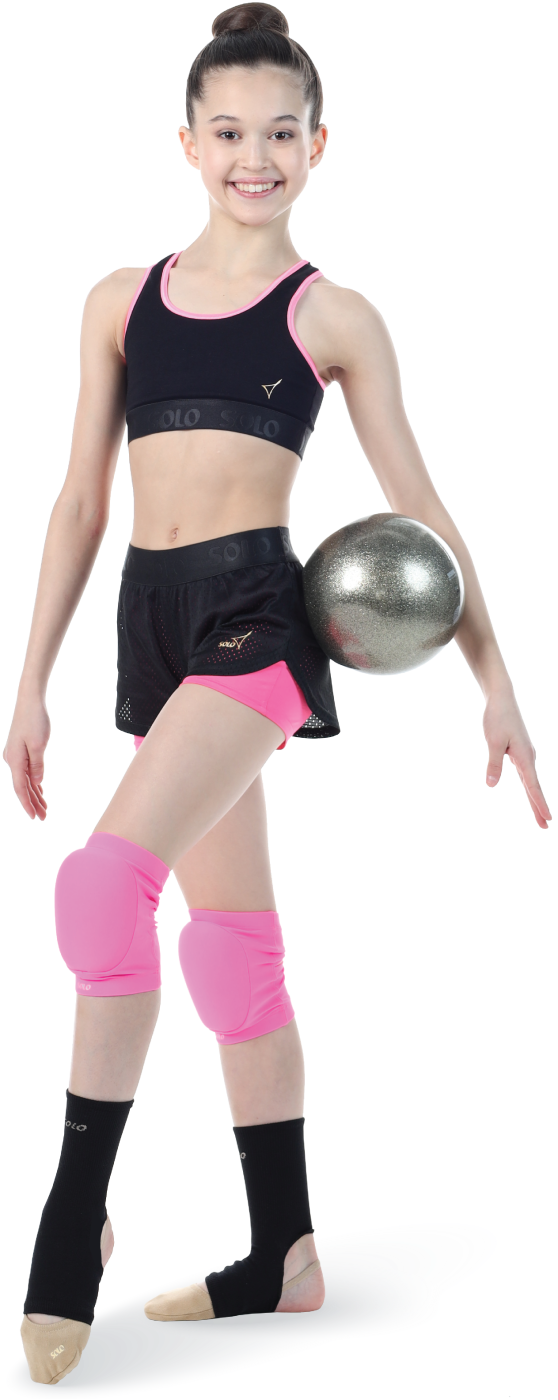
Rhythmic gymnastics is a dialogue between the body, music, and apparatus, where every movement transforms into art. Originating in the USSR in the 1940s, it quickly gained worldwide recognition, becoming a symbol of femininity and grace. Today, there are two main formats: individual and group performances. In individual routines, a gymnast works with one apparatus (ribbon, ball, hoop, clubs, rope), while in group routines, five gymnasts perform synchronized elements using two types of apparatus.
The apparatuses are not just accessories but an extension of the body. The 6-meter-long ribbon must move continuously, creating patterns in the air, while the clubs require precise throws and dexterity in catching.
Competitive programs are judged based on three criteria: technical difficulty, artistry, and execution. Judges deduct points for dropping the apparatus, stepping outside the carpet, or breaking the musical accompaniment. At the 2019 World Championship, a Japanese gymnast lost 0.5 points because her ribbon touched her leg.
Parkour and trampoline gymnastics
These distinct types of gymnastics are symbols of freedom and adrenaline. Parkour (from the French parcours — “course”) originated in France in the 1990s and has become a popular discipline among youth today. Its philosophy is adapting to any urban environment.
Key elements include:
● Jumps (precision jump, gap jump) — overcoming distances between objects.
● Vaults and rolls — techniques for safe landing.
● Balancing on narrow surfaces.
● Climbing walls and parapets.
Parkour is the ability to turn obstacles into opportunities. Training develops agility, spatial awareness, and reaction speed.
Parkour teaches how to overcome urban obstacles by instantly assessing the space around you.
Trampoline gymnastics, which became an Olympic discipline in 2000, trains coordination: just 10 minutes of jumping equals 30 minutes of running. According to the Russian Gymnastics Federation, the number of clubs offering these disciplines has tripled over the past five years.
Aesthetic gymnastics
Aesthetic gymnastics is a dialogue between the body and music, where smooth, wave-like movements create a hypnotic spectacle. Performances, resembling dance, require efficiency in every gesture: spiral turns, split jumps, and synchronized group routines.
Circus gymnastics
Circus gymnastics shifts the focus to spectacle. Its subcategories include:
● Aerial: silks, rings, trapeze — elements that require strength and agility.
● Equilibristics: balancing on rollers, wires, or balls.
● Partner work: pyramids, throws, and catching a partner.
As choreographers say, "The circus turns sport into captivating theater, where the gymnast is both athlete and performer."
Street Gymnastics (Workout)
This type embodies accessibility. Pull-up bars, parallel bars, and calisthenics elements don’t require expensive equipment, making the sport available to everyone. According to a study by the "Movement Laboratory," 70% of street gymnasts report improved posture and a strong sense of community within their group.
Acrobatic Gymnastics
Dynamic supports, pyramids, and throws — teamwork is crucial here. Duos or groups of 4–6 people perform elements where balancing risk and precision is the key to success. According to statistics, 90% of acrobats started with basic gymnastics, highlighting its role as a foundation for mastering complex disciplines.
Benefits of Gymnastics for Children
Gymnastics is not just a sport, but a universal tool for a child’s harmonious development. According to research from the Institute of Physical Culture, children practicing gymnastics outperform their peers by 30% in coordination and agility. But the benefits go far beyond physical achievements.
Physical Development and Health
Regular training strengthens the musculoskeletal system, shapes proper posture, and prevents scoliosis. Stretching and balance exercises increase ligament elasticity, and bodyweight work develops muscle tone. "Gymnastics lays the foundation for health," says orthopedic doctor Elena Sorokina. "Even basic elements like somersaults or handstands improve circulation and stimulate metabolism."
An interesting fact: According to WHO statistics, children practicing gymnastics are less likely to suffer from obesity and have 25% fewer injuries in other sports thanks to their developed coordination.
Discipline and Determination
Gymnastics teaches setting goals and achieving them consistently. Mastering complex elements, whether a somersault or a split, requires systematic practice. Coaches emphasize: "A child understands that to perform an exercise, they need to repeat it dozens of times. This fosters determination and patience."
Social Skills and Team Spirit
Group disciplines such as aesthetic or acrobatic gymnastics teach cooperation. Children learn to feel their partner’s rhythm, trust, and support each other. According to a parent survey, 68% say that gymnastics helped their children become more open and communicative.
Self-Confidence
Every new achievement — whether a first jump over the vault or participation in a competition — becomes a step toward building healthy self-esteem. Psychologists explain: "When a child sees the results of their efforts, they begin to believe in their own strength not only on the mat but in life."
Intellectual Development
Gymnastics is also a workout for the brain. Complex combinations require concentration, quick decision-making, and spatial reasoning. Cambridge University studies showed that children practicing gymnastics perform 15% better on logic tasks.
Conclusion
Gymnastics, combining the art of movement with a strict training system, remains one of the most effective ways to invest in a child's health and future. It shapes not only a strong body but also a resilient psyche, the ability to overcome challenges, and to work as part of a team.
If you decide to introduce your child to the world of gymnastics, make sure to provide the right gear. Quality half-shoes, a comfortable leotard or a breathable t-shirt will not only enhance training effectiveness but also reduce the risk of injury. As professionals advise: "Choose clothing that does not restrict movement and meets safety standards." Start small — and gymnastics might just become the exciting path that leads your child to great achievements.


0 comments