


Rhythmic Gymnastics: What’s the right age to start and how to make thebest choice?

Rhythmic gymnastics is a sport where grace intertwines with strength, and every movement becomes a work of art. The spectacular performances of gymnasts captivate millions of spectators, but behind the apparent ease lie years of rigorous training. Parents, admiring the flexibility and artistry of gymnasts, often ask: “At what age can my child start rhythmic gymnastics?” The answer to this question requires not only an understanding of children’s physiological characteristics but also an analysis of the risks, advantages, disadvantages, and professional nuances of the sport.
Should you enroll your child in gymnastics?
The decision to enroll a child in rhythmic gymnastics must be a well-considered one. Despite its aesthetic appeal, this sport demands a high level of both physical and psychological endurance. According to research, 70% of success in gymnastics depends on natural traits: joint flexibility, spinal mobility, developed coordination, and proportional body structure. But even with ideal physical characteristics, a young athlete's motivation plays a crucial role.
Experts emphasize: if a girl shows early interest in dancing, enjoys moving to music, and handles physical activity well, gymnastics can be an excellent fit. “It’s important that parents don’t project their own ambitions onto the child,” says Olga Ivanova, a coach with 20 years of experience. “The child must enjoy the process — otherwise, training will become torture.”
Contraindications to starting may include not only medical conditions (such as scoliosis or heart defects) but also psychological traits. Children who struggle to adapt to strict discipline or are particularly sensitive to criticism may face stress. In such cases, alternatives like swimming or dance, which impose fewer demands on physical strength, may be better suited.
The right age to start gymnastics: When is the best time?
The question of when to begin rhythmic gymnastics concerns many parents. Professional coaches agree: the optimal starting age is 4–5 years old. At this age, the ligaments retain natural elasticity, allowing children to learn splits and backbends without pain. However, some gyms accept children as young as 3, with a focus on play-based training formats.
To understand the age milestones more clearly, here’s a breakdown of training stages:
● 3–4 years: introductory classes. Young children learn to feel rhythm, perform basic stretching exercises, and develop fundamental coordination. The focus is on active games that nurture a love of movement.
● 5–6 years: beginning technical work. Programs start to include apparatus work (ball, ribbon) and exercises aimed at developing artistry.
● 7 years and older: transition to intensive training. Children aiming for a professional career in sports should have mastered the basics by this stage.
Interestingly, 80% of world champions started training before the age of 6. However, this doesn’t mean that starting later dooms a child to failure. For recreational gymnastics, it’s never too late — the key is the absence of medical contraindications.
Benefits and contraindications: balancing risk and opportunity
Rhythmic gymnastics isn’t just about beauty — it’s also a powerful tool for building health. Regular training strengthens the muscular frame, improves posture, and boosts endurance. Statistics show that children involved in this sport are less prone to obesity and often perform better in school due to their discipline.
However, gymnastics is unique in its extreme physical demands. Excessive spinal strain during growth phases may lead to injury, and strict diets sometimes practiced in professional settings can trigger eating disorders. That’s why medical professionals insist: a consultation with an orthopedist and cardiologist is essential before enrolling.
Absolute contraindications include:
● Musculoskeletal disorders (e.g., scoliosis stage III, intervertebral hernias);
● Cardiovascular conditions;
● Neurological disorders affecting coordination.
At the same time, moderate exercise under medical and coaching supervision can even benefit children with mild health issues. For example, stretching exercises are often recommended for early-stage flat feet.
Selection process: How to join a gymnastics club?
The selection process for professional gymnastics clubs is multi-stage. The first step is a medical examination to rule out contraindications. Next comes the evaluation of physical abilities: coaches assess flexibility (ability to perform front and side splits), jumping ability, and sense of rhythm.
However, even perfect physical traits don’t guarantee success. “Psychological readiness is key,” explains Marina Semyonova, an international-level judge. “The child must be able to focus, listen to the coach, and handle stress.” To assess this, tryouts often include simulated stress situations — for example, asking the child to repeat a movement amid clapping or background noise.
How training works: from play to mastery
The first few months of training feel more like creative play than athletic preparation. Children aged 3–4 learn through games: tumbling on mats, running with ribbons, and listening to music. Gradually, choreography and basic acrobatic elements are introduced. By age 6, sessions become more structured: warm-ups, technique work, and routine composition.
Special attention is given to artistic expression. Girls learn to maintain eye contact, move smoothly, and engage emotionally with the audience. This skill is just as important as physical ability: at competitions, 50% of the score depends on the artistic aspect of the performance.
How to choose a gymnastics club: Criteria that matter
Choosing a gymnastics club is about more than geographic convenience. The coach, equipment, and overall environment affect not just athletic outcomes but also the emotional well-being of the child. In recent years, rhythmic gymnastics has gained immense popularity, leading to a rise in the number of clubs. Unfortunately, not all meet educational standards or safety requirements.
The first thing you should pay attention to is the specifics of the trainer’s approach. A professional coach balances discipline with encouragement, motivates the child, and recognizes potential even in modest progress. “Parents often chase ‘star’ coaches, forgetting that for young kids, a supportive environment matters more,” says psychologist Anna Kovalyova. “Harsh methods can destroy motivation.”
When you get to know the section, evaluate:
● Licenses and certifications: These ensure that the club follows approved methodologies and that coaches have formal training.
● Training equipment: Proper gym mats, mirrors, safety cushions, and high-quality apparatus (balls, hoops, ribbons) are essential. Good lighting and ventilation are also critical, as poor air or dim light increases injury risk.
● Group size: For children aged 3–6, groups of 8–10 are ideal. This allows the coach to give personal attention to each child.
● Training program: Ensure it includes not only physical exercises but also classes in choreography and performance skills.
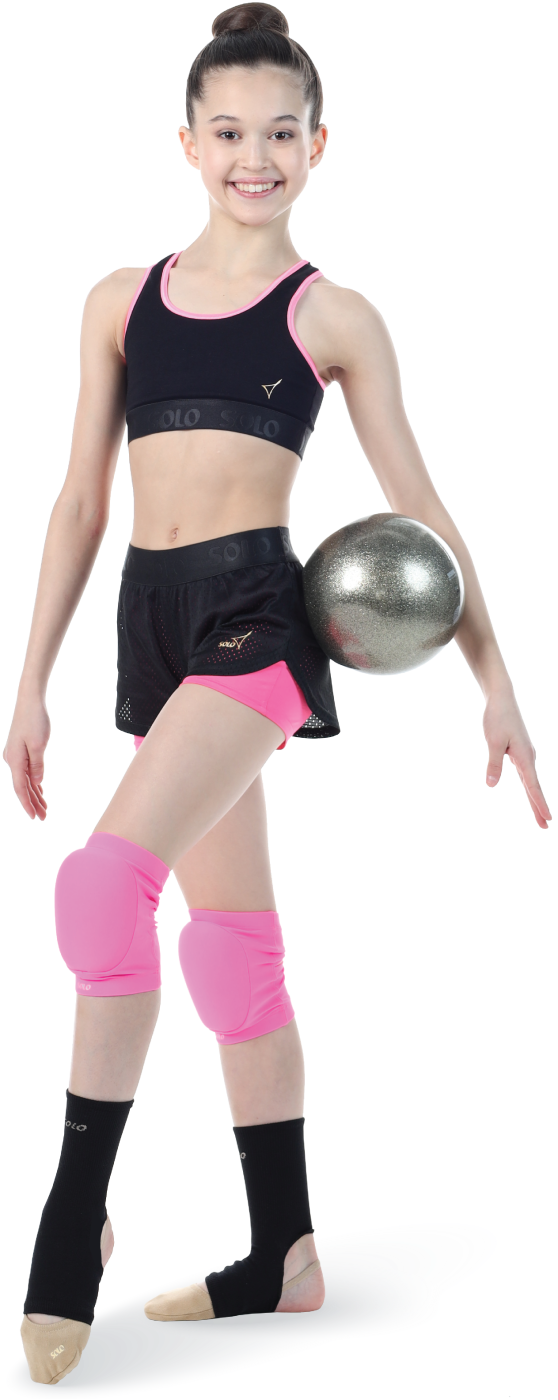
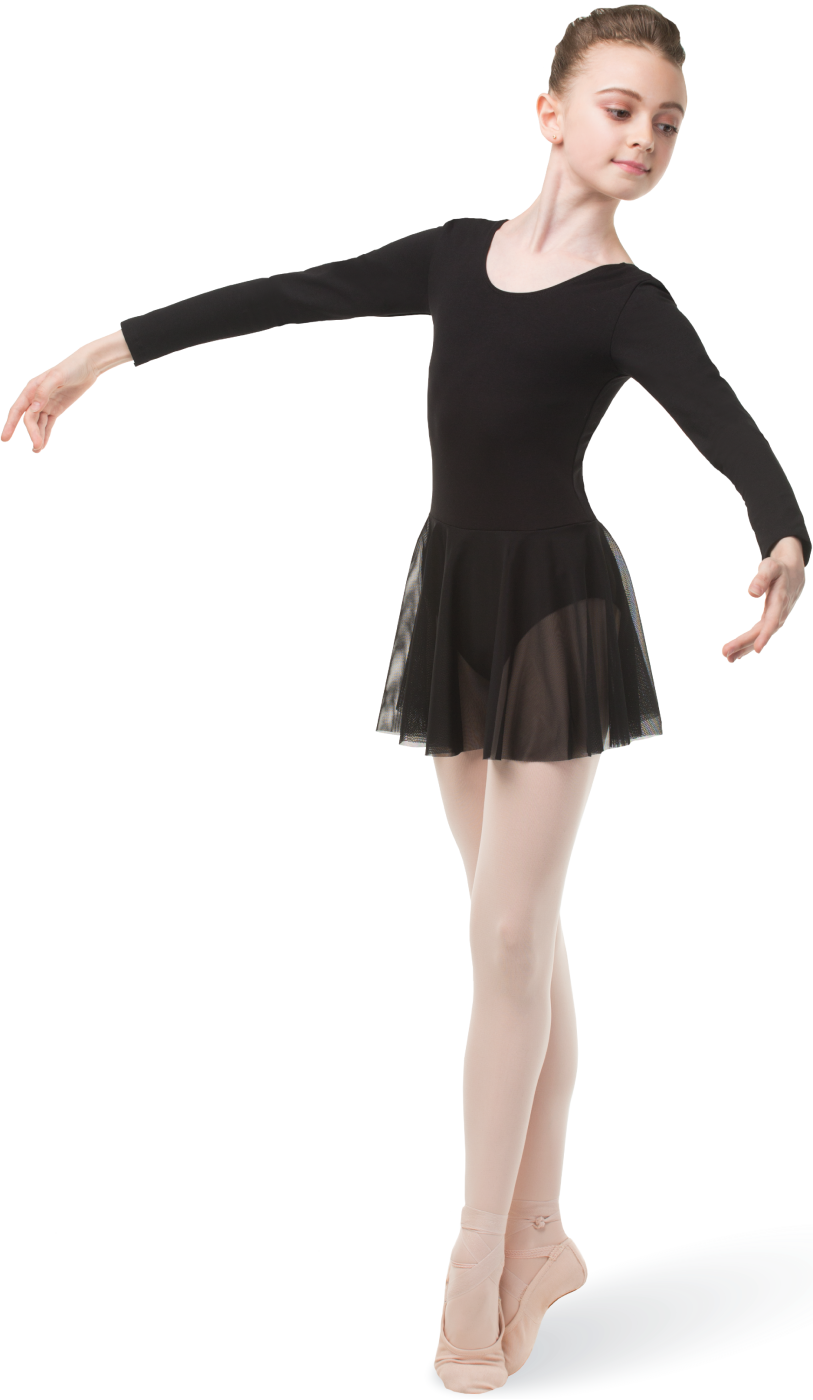
Another important aspect is proper attire. A supportive back brace, breathable leotards, and suitable footwear are not just aesthetic elements — they help prevent injury and create safe conditions for training.
Conclusion: The art of harmonizing body and spirit
Rhythmic gymnastics is a sport where appearance and physical ability intertwine with inner strength. It teaches young athletes to overcome their limits, turning weaknesses into advantages. But true success is only possible when the decision is made consciously—taking into account the child’s age, health, and personal interest.
If you’re ready to introduce your daughter to a world of grace and discipline, don’t delay the start. Even if the path to the podium isn’t the main goal, gymnastics will offer invaluable skills: body awareness, coordination, and confidence. To make the first steps in the sport more comfortable, be sure to invest in proper attire. Specialized stores offer leotards designed with anatomical fit in mind, soft shoes, and accessories that reflect each young gymnast’s personality.
Remember: what all champions truly have in common is not perfect proportions, but a genuine love for what they do. Support that love, and every training session will become a step toward new heights — both in sport and in life. And to make each moment of practice more comfortable and effective, choose high-quality rhythmic gymnastics gear!


0 comments