


What is the difference between aesthetic gymnastics and rhythmic gymnastics?

Gymnastics brings together disciplines where grace meets physical training. However, there are key differences between aesthetic and rhythmic gymnastics that often go unnoticed—even among fans of the sport. Both styles impress audiences with their fluidity and emotion, but their essence, rules, and philosophy are fundamentally different. In this article, we’ll explore the unique nature of each discipline and highlight their main distinctions.
Origins of aesthetic gymnastics
The story of aesthetic gymnastics began with a revolution in dance. In the late 19th century, American dancer and innovator Isadora Duncan broke away from the rigid rules of classical ballet. She stepped on stage barefoot instead of wearing pointe shoes, and her movements resembled ancient statues brought to life by the wind. Duncan declared freedom of expression—her dance became a manifesto of femininity, natural beauty, and emotional depth.
Duncan’s ideas quickly inspired Europe. In the 1920s, Finland—where harmony of body and spirit was traditionally valued—became the birthplace of modern aesthetic gymnastics. The first competitions were held in Helsinki in 1950, but the sport was officially recognized only in 1996. In Russia, the Aesthetic Group Gymnastics Federation was established in 2002, allowing athletes to take part in international tournaments.
A key feature of aesthetic gymnastics is its continuous dialogue with the audience. Performances are not about technique for the sake of technique—they’re about conveying an idea through a group performance. Teams of 6 to 14 gymnasts create a living canvas on the floor, where synchronization and emotional expression matter more than technical difficulty.
Aesthetic vs. rhythmic gymnastics: two branches of one art
So, what exactly is the difference between aesthetic and rhythmic gymnastics? Both demand flexibility, coordination, and artistry, but they differ in judging criteria, philosophy, and even the approach to athletes’ well-being.
1. Use of apparatus
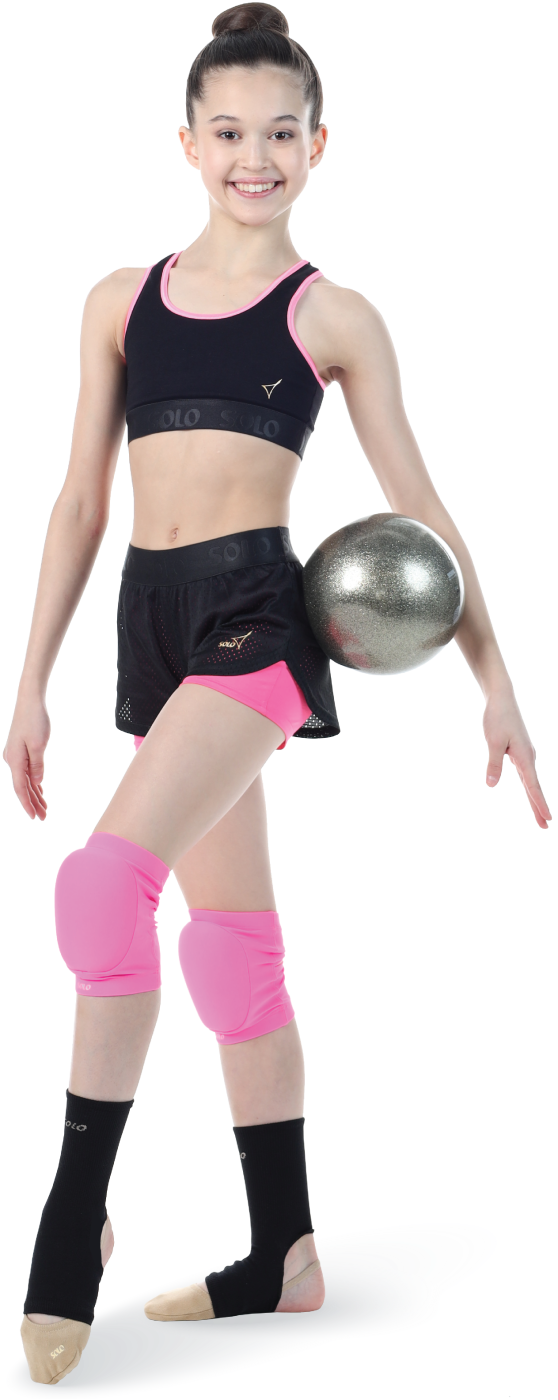
In rhythmic gymnastics, apparatus like ribbons, balls, and hoops become extensions of the body. Precision in handling them is critical—a dropped rope or holding the clubs too long can cost points.
Aesthetic gymnastics eliminates apparatus entirely. The focus is on teamwork and expressing emotion through movement. Waves, spirals, and swings emphasize the natural flow of motion. The synchronized movement of six pairs of arms or legs can turn a performance into a hypnotic display.
2. Individuality vs. team unity
Rhythmic gymnastics includes both individual and group routines. Even in group events with five members, each gymnast must showcase her own skills. Aesthetic gymnastics is about unity—individual expression gives way to collective storytelling. There are no stars here; success depends on the harmony of the whole group.
3. Physical requirements
Rhythmic gymnastics is known for its strict selection process. Coaches look for tall, slim girls with naturally high flexibility and specific body proportions.
Aesthetic gymnastics is more inclusive—artistic expression and the ability to work in a team are valued above body type.
Requirements overview:
● Rhythmic Gymnastics – Rigid selection based on physical criteria, including specific proportions like leg-to-torso ratio.
● Aesthetic Gymnastics – Athletes of different body types are welcome. Rhythm and teamwork are the main focus.
Aesthetic gymnastics also requires symmetrical training—athletes perform movements equally on both sides of the body. This encourages balanced muscle development. In rhythmic gymnastics, symmetrical work is practiced mostly at beginner levels; professionals usually favor their dominant leg, which may lead to muscular imbalance.
4. Olympic status and recognition
Rhythmic gymnastics has long been part of the Olympic Games. Aesthetic gymnastics, while not yet Olympic, is rapidly growing. World Championships attract thousands of fans, and more clubs are opening—even in smaller towns.
How to choose the right path?
Aesthetic gymnastics nurtures creativity and team spirit. Rhythmic gymnastics shapes future champions.
What do young athletes need to get started?
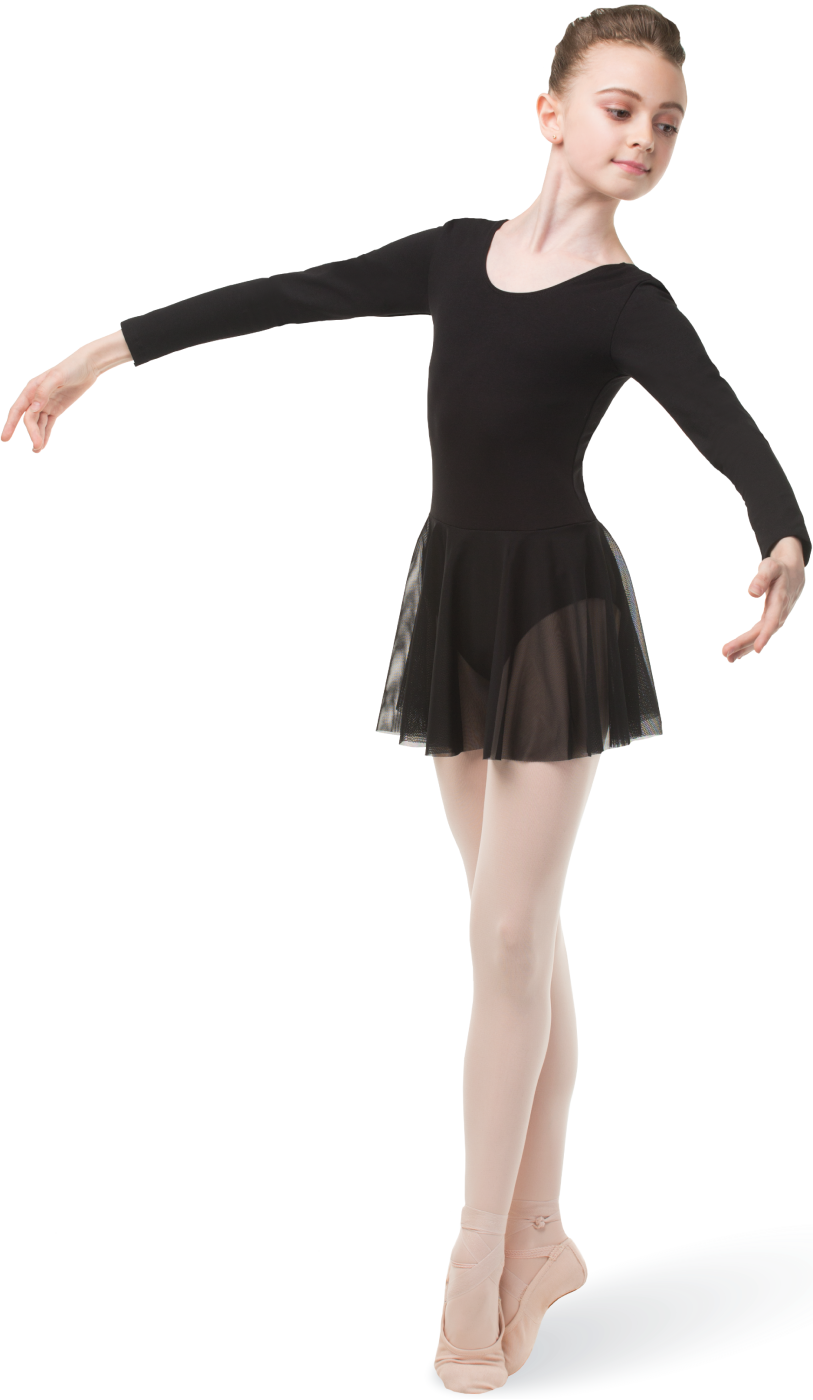
● A leotard with a snug fit (with sleeves for aesthetic gymnastics, sleeveless for rhythmic).
● Breathable half-shoes.
● Hair accessories (such as a bun net).
Tip: Always check with the coach before purchasing gear—requirements can vary by club.


0 comments